Equipment and supplies, organized around your day
We don't publish a catalog or prices here — every home and every person is different. Here's an overview of what we help with and what each category is generally for.

From the bedroom to the front step
The right mobility aid depends on balance, strength, the home's layout and where someone wants to go. A cane suits light support; a walker or rollator suits steadier, longer outings; a transport chair helps a companion cover more ground on appointment days.
We'll ask a few simple questions about the home and the routine rather than start with a specific model, so the fit makes sense before anything else does.
- Canes for light balance support
- Standard and wheeled walkers
- Rollators with a seat and basket
- Transport chairs for longer outings

Where most falls at home begin
Wet floors, low seats and a tub edge make the bathroom the room families worry about most. A few well-chosen items can make bathing and using the toilet safer — and easier on whoever's helping.
We'll talk through the layout: whether the tub or the shower is the bigger challenge, how much support is needed to sit and stand, and whether a bedside option makes sense at night.
- Shower chairs and stools, with or without backs
- Tub transfer benches that bridge the tub edge
- Raised toilet seats and safety frames
- Bedside commodes for nighttime
- Non-slip mats and handheld shower heads

Rest, repositioning and the reach of a nightstand
When more of the day happens in bed, small things matter: something to hold onto when sitting up, a surface for meals, and support that keeps pressure off sensitive spots.
Bed rails & assist handles
Support for sitting up and getting in or out of bed.
Overbed tables
A stable surface for meals, reading glasses and medicines.
Positioning supports
Wedges and pressure-relief cushions for comfort over long stretches.
Mattress overlays & protectors
Added comfort and protection for the mattress underneath.
Simple numbers, tracked at home
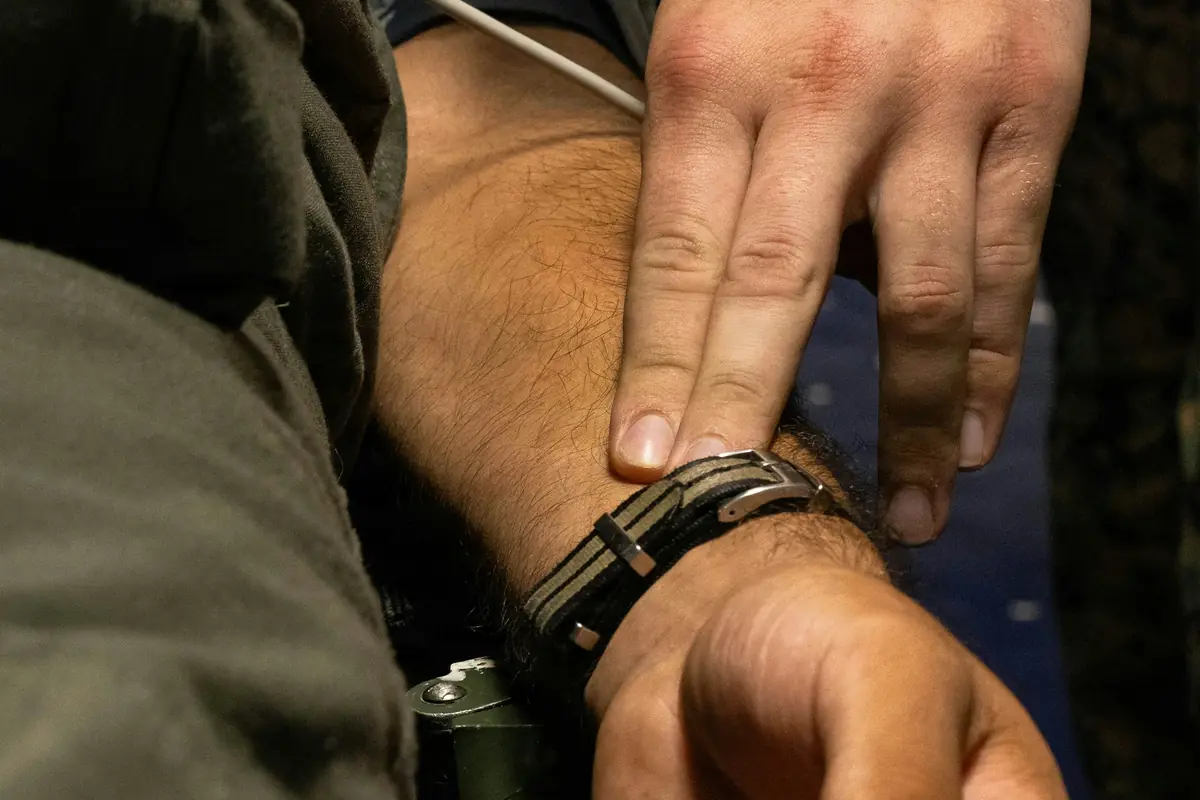
A blood pressure monitor, a thermometer or a pulse oximeter can make check-ins with a clinician faster and more useful, especially when readings are logged consistently rather than taken once in a panic.
We'll help you pick a monitor that's easy to read and use correctly, and talk through what your clinician usually wants tracked.
- Upper-arm blood pressure monitors
- Digital thermometers
- Fingertip pulse oximeters
- Simple logbooks for readings
The rest of the everyday list
Daily-living aids
- Reachers and grabbers
- Sock aids and long shoehorns
- Easy-grip utensils and cups
- Pill organizers and pill cutters
Wound & skin care
- Gauze, non-stick pads and dressings
- Medical tapes and wraps
- Barrier creams and skin protectants
- Moisturizers for fragile skin
Don't see something you need? Ask anyway — there's a good chance we can point you toward it.
A quick reminderWe help you choose and use equipment and supplies, but we don't diagnose or recommend treatment. Please follow the guidance of the clinician caring for you or your family member.
Have a list from a hospital or clinician?
Send it our way and we'll go through it with you, item by item.